
Am I a Candidate for Dental Implants?
- 1. What Are Dental Implants?
- 2. Signs You May Be a Good Candidate for Dental Implants
- 3. Conditions That May Complicate but Not Prevent, Implants
- 4. What If You Are Not Ready for Implants?
- 5. What to Expect at Your Dental Implant Consultation
- 6. Why Choose Dr. Keglar for Your Dental Implants?
- 7. Frequently Asked Questions About Dental Implant Candidacy
- 8. Ready to Find Out If Dental Implants Are Right for You?
Am I a Candidate for Dental Implants?
Missing one or more teeth can affect far more than your appearance. It can make eating painful, change the way you speak, and cause surrounding teeth to shift over time. If you have been exploring your options for tooth replacement, you have likely come across dental implants – and for good reason. Today, implants are widely regarded as the gold standard for replacing missing teeth, offering a solution that looks, feels, and functions almost identically to a natural tooth.
At Keglar Dental Studio in Elk Grove Village, IL, Dr. Steven Keglar, DDS, has undergone comprehensive implant training through the gIDE-Global Institute for Dental Education, Zimvie Inc., and Glidewell – bringing advanced, evidence-based implant care directly to patients in the northwest Chicago suburbs. But are dental implants the right choice for you? This guide walks you through everything you need to know.
What Are Dental Implants?
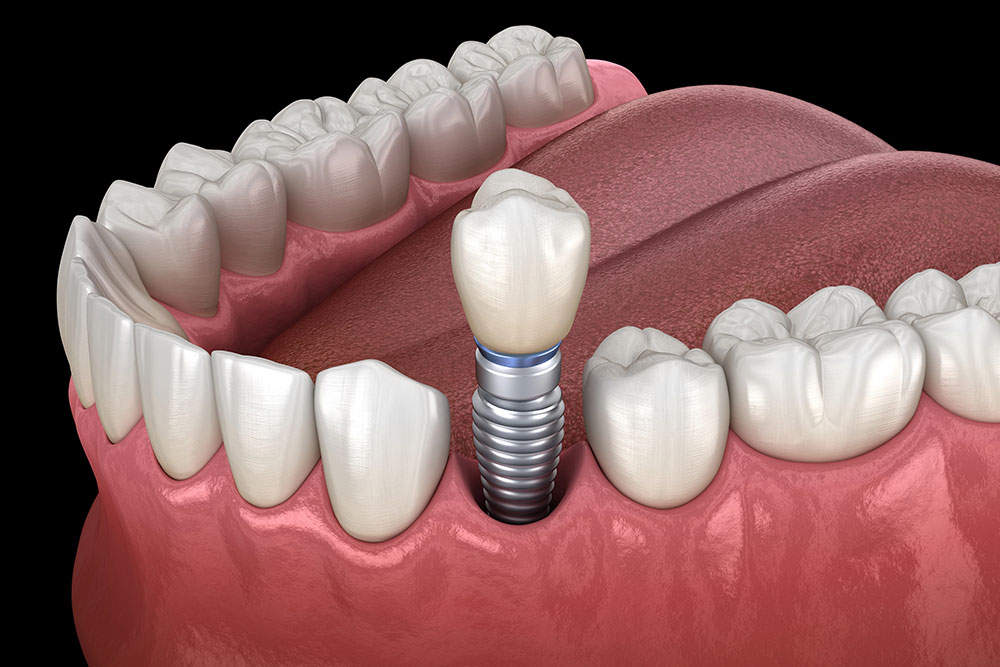
A dental implant is a small titanium post that is surgically placed into the jawbone to serve as an artificial tooth root. Once the implant integrates with the bone a custom-made crown is attached on top, creating a permanent, natural-looking replacement tooth.
Unlike removable dentures or dental bridges, implants do not rely on adjacent teeth for support, and they do not slip or shift. They restore full chewing function and help preserve the jawbone, which naturally begins to deteriorate after tooth loss.
To learn more about the implant process at our office, visit our dental implants service page.
Signs You May Be a Good Candidate for Dental Implants
Not everyone is immediately ready for dental implants, but many patients are excellent candidates. Below are the key evaluations during your consultation.
You Have One or More Missing Teeth
Dental implants can replace a single missing tooth, multiple teeth, or even an entire arch. Whether you lost a tooth due to injury, decay, or gum disease, implants offer a reliable long-term solution.
Your Jawbone Has Sufficient Density
The titanium post must fuse with your jawbone to remain stable. Patients with adequate bone density in the jaw are typically the strongest candidates. If some bone loss has occurred since the tooth was extracted, a bone grafting procedure may be recommended before implant placement – a step our team can discuss with you during your evaluation.
Your Gums Are Healthy
Healthy gum tissue is essential for a successful implant. Active gum disease can threaten the stability of the implant and must be treated before proceeding. If you have been experiencing bleeding gums, sensitivity, or recession, our team can address these concerns during your dental exam and cleaning appointment.
You Are in Good General Health
Dental implant surgery is a minor surgical procedure, and your overall health plays a role in how well you heal. Patients with uncontrolled diabetes, autoimmune conditions, or those undergoing certain cancer treatments may require additional evaluation. Our team will review your full medical history to ensure implants are appropriate for you.
You Do Not Smoke or Are Willing to Quit
Smoking significantly impairs the healing process and reduces implant success rates. Patients who smoke are encouraged to quit or significantly reduce their usage before and after implant surgery. Dr. Keglar will provide honest guidance on how this affects your candidacy.
Your Jaw Has Finished Growing
Dental implants are generally recommended for adults whose jaw development is complete, typically in the late teens or early twenties. Placing implants in a still-developing jaw can interfere with natural growth.
| Factor | Typically a Good Fit | May Need Extra Steps |
|---|---|---|
| Missing teeth | One or more missing teeth | - |
| Jawbone health | Sufficient bone density | Bone graft may be needed |
| Gum health | Healthy gum tissue | Gum disease treatment first |
| General health | Good overall health | Medical clearance needed |
| Smoking status | Non-smoker | Smoking cessation advised |
| Age | Adult (jaw fully developed) | Minors usually not eligible |
Conditions That May Complicate but Not Prevent, Implants
Certain health conditions require careful planning but do not automatically disqualify you from receiving dental implants. These include:
- Diabetes: well-controlled diabetes is generally compatible with implant therapy
- Osteoporosis: bone quality will be assessed carefully
- Blood thinners or anticoagulants: adjustments to your medication schedule may be needed
- Previous radiation therapy to the jaw: feasibility depends on dose and location
If any of these apply to you, do not be discouraged. Dr. Keglar’s comprehensive training and individualized approach mean that many patients who might have been turned away elsewhere may still benefit from implant treatment with proper preparation.
What If You Are Not Ready for Implants?
If implants are not yet the right fit – for example, if you need a bone graft, gum disease treatment, or time to improve overall health – there are other restorative options that can help in the meantime or serve as long-term alternatives.
Dental Bridges: A dental bridge uses the teeth on either side of the gap as anchors to support a prosthetic tooth. Bridges are a proven, non-surgical option for replacing one or more missing teeth.
Dental Crowns: If a tooth is severely damaged but still present, a dental crown can protect and restore it without extraction, preserving your natural tooth structure.
Dr. Keglar and our team will help you understand all your options and develop a personalized treatment plan that aligns with your health, timeline, and goals.
What to Expect at Your Dental Implant Consultation
Your first step is a thorough consultation with Dr. Keglar. During this appointment, you can expect:
- A comprehensive oral examination, including digital X-rays or 3D imaging to assess bone volume and density
- A review of your medical and dental history
- A discussion of your treatment goals and concerns
- A customized treatment plan outlining each stage, timeline, and associated costs
- Answers to all of your questions – no detail is too small
There is no pressure or obligation. The consultation is about making sure you have the information you need to make the best decision for your health.
Why Choose Dr. Keglar for Your Dental Implants?
Dr. Steven Keglar, DDS has dedicated significant time to advanced implant education, completing formal training through the gIDE-Global Institute for Dental Education, Zimvie Inc., and Glidewell. This means that when you sit in the chair at Keglar Dental Studio, you are working with a dentist who has invested in mastering the full scope of modern implant dentistry – from initial evaluation to final restoration.
Our office is designed to make your experience as comfortable and stress-free as possible. We use modern diagnostic technology to ensure accurate treatment planning, and our team takes the time to listen, explain, and ensure you feel confident every step of the way.
Learn more about Dr. Keglar’s background and philosophy on our Our Doctor page.
Frequently Asked Questions About Dental Implant Candidacy
A 3D cone beam scan or digital X-ray can accurately measure your bone volume. Dr. Keglar will review this imaging at your consultation. If bone grafting is needed, he will walk you through what that process involves.
Yes. Many patients transition from traditional dentures to implant-supported restorations. Implants eliminate the inconvenience of denture adhesives and significantly improve chewing strength and comfort.
Age alone is not a barrier. Adults of all ages can receive implants, provided they are in reasonable health. Many seniors in their 70s and 80s successfully receive implants.
With proper care and regular dental check-ups, dental implants can last a lifetime. The crown on top may eventually need replacement after 15–25 years due to normal wear.
Most patients are pleasantly surprised. Local anesthesia is used during placement, and post-operative discomfort is typically manageable with over-the-counter pain relievers. Our team will provide detailed aftercare instructions.
Coverage varies widely by plan. Some insurance plans offer partial coverage for implant components. Our team can help you understand your benefits and explore financing options during your consultation.
Ready to Find Out If Dental Implants Are Right for You?
The best way to determine whether you are a candidate for dental implants is with a personalized consultation. Dr. Steven Keglar and the team at Keglar Dental Studio are here to guide you through every question and concern – with honesty, expertise, and a commitment to your long-term oral health.
This blog is for general informational purposes only and is not a substitute for professional medical or dental advice. Please consult your dentist or physician before making any decisions about your health or treatment.